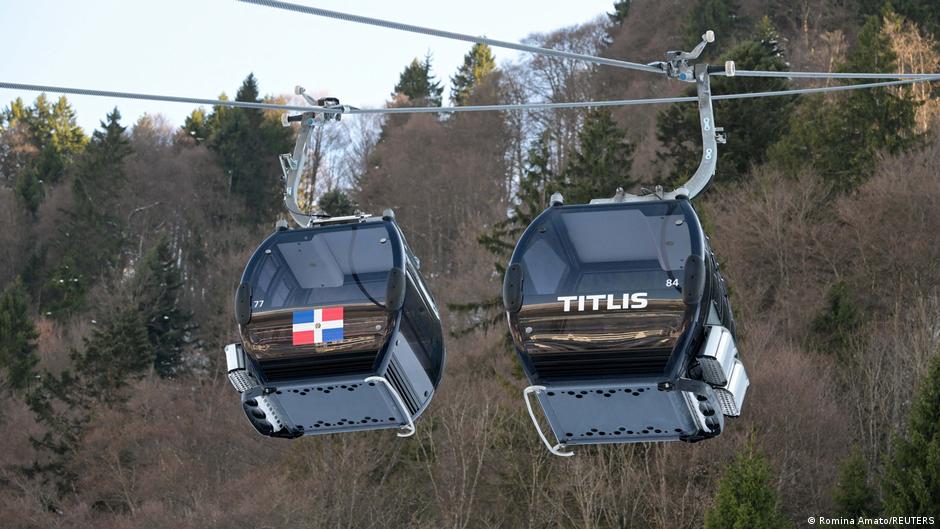
Austrian Alps rocked by tragedy: Gondola Detaches Due to Falling Tree, Two Dead in Hochoetz
A recent and deeply saddening incident has cast a shadow over the usually vibrant slopes of the Austrian Alps. In the popular ski resort of Hochoetz, nestled in the heart of Austrian Tirol, a ski gondola detached from its cable due to a falling tree, resulting in the tragic deaths of two individuals and leaving two others severely injured. This devastating event, which unfolded on a busy Thursday, has sent shockwaves through the international skiing community and prompted an urgent investigation into ski lift safety and the unpredictable forces of nature.
The incident serves as a stark reminder of the inherent risks, however rare, associated with alpine environments and the critical importance of stringent safety protocols in ski operations. As authorities work tirelessly to understand every detail of what transpired, the focus remains on supporting the victims' families and ensuring such a horrific accident is never repeated.
The Hochoetz Catastrophe: A Detailed Account of the Incident
The tragic events transpired in the picturesque Hochoetz ski area, a destination renowned for its family-friendly atmosphere and modern lift infrastructure. A gondola, carrying a Danish family of four, was making its ascent when disaster struck. Unbeknownst to those inside, a tree, dislodged by unknown factors, fell directly onto the lift cable. The impact was catastrophic; the gondola compartment was torn from its moorings and plummeted dozens of meters down the mountainside.
Emergency services, including mountain rescue teams and paramedics, were immediately mobilized to the scene. The urgency of the situation was paramount as they worked to reach the trapped and injured individuals. Despite their valiant efforts, two of the four occupants were found to have succumbed to their injuries at the scene. The two other members of the Danish family sustained severe injuries and were rushed for medical treatment. The profound grief and shock felt by all involved are immense, turning a joyous family ski trip into an unimaginable nightmare.
In the immediate aftermath, a broader safety concern emerged. Authorities moved swiftly to evacuate twelve other gondolas in the affected section of the ski area. Thankfully, these evacuations were conducted without further incident or injury, highlighting the resort's emergency preparedness despite the initial tragedy.
Unpacking the Cause: When Nature Meets Technology on the Slopes
The preliminary findings of the investigation point directly to a falling tree as the primary cause of this deadly ski lift accident in Austria: tree caused gondola fall. While the exact reason for the tree's fall is still under intense scrutiny, it underscores the constant battle ski resorts face against environmental variables. The Alpine environment, while beautiful, is dynamic and subject to powerful natural forces, including heavy snowfall, strong winds, and thawing cycles that can destabilize trees and terrain.
Investigators are now meticulously examining several key areas:
- Tree Management: Were regular inspections of the tree line conducted? What protocols are in place for identifying and removing potentially hazardous trees adjacent to lift lines?
- Structural Integrity of the Lift: While the tree was the trigger, the investigation will assess how the lift system is designed to withstand external impacts and if any component failures contributed to the gondola's detachment post-impact.
- Weather Conditions: Were there any specific weather events (e.g., high winds, recent heavy snow followed by thaw) that could have contributed to the tree's fall?
- Maintenance Records: A thorough review of the gondola system's maintenance history, inspection logs, and operational procedures is underway.
This incident is a sobering reminder that even with modern engineering and rigorous safety checks, external, unpredictable factors can pose significant challenges. The findings of this investigation will be crucial for the entire ski industry, potentially leading to updated safety guidelines for managing environmental risks along lift paths.
Ski Lift Safety: A Global Priority and the 'Ongeval Skilift' Perspective
Ski lifts are, statistically, one of the safest modes of transport, often safer than driving to the resort itself. Millions of skiers and snowboarders rely on them daily across the globe, a testament to decades of engineering advancements, strict regulations, and diligent maintenance. However, incidents like the one in Hochoetz, or any "Ongeval Skilift" as it would be termed in Dutch, serve as critical points of reflection for the entire industry.
The perception of ski lift safety is often shaped by personal experiences. For some, like Stijn te Bokkel, the idea of a ski lift offers a relaxing escape from the stresses of travel, a chance to "just hang in that bucket, look down, and not hear anyone complain." This sense of tranquility and security is precisely what resorts strive to provide. Yet, for others, even minor disruptions can cause anxiety. The collective expectation is that these systems are foolproof, making rare accidents all the more shocking.
Key aspects of ski lift safety include:
- Regular Inspections: Lifts undergo daily, weekly, monthly, and annual inspections by certified technicians.
- Advanced Engineering: Modern lifts incorporate multiple redundant safety systems, emergency brakes, and sophisticated monitoring equipment.
- Operator Training: Lift operators are highly trained to manage routine operations and respond to emergencies.
- Weather Monitoring: Resorts continuously monitor weather conditions and close lifts if wind, lightning, or other factors pose a risk.
The Hochoetz incident, therefore, is not just about one lift; it’s about a global commitment to safety that constantly seeks to mitigate every conceivable risk, even those as unpredictable as a falling tree. This commitment is paramount to maintaining public trust and ensuring that winter sports remain accessible and enjoyable for all.
For more detailed information on the ongoing investigation, please refer to: Hochoetz Tragedy: Ski Lift Investigation Begins After Fatal Crash.
What This Means for Skiers and Resorts: Tips for Safe Winter Sports
While extremely rare, this tragic incident prompts a renewed focus on safety from both the perspective of the ski enthusiast and the resort operator. It’s crucial not to let fear overshadow the joy of skiing, but rather to foster an informed awareness.
Practical Tips for Skiers:
- Heed Warnings and Instructions: Always pay attention to signage, announcements, and lift operator instructions. These are for your safety.
- Follow Rules: Adhere to all rules for riding lifts, including how to load and unload, and how to carry equipment.
- Report Concerns: If you notice anything unusual with a lift – strange noises, swaying, or anything that seems out of place – report it to a lift operator or resort staff immediately.
- Stay Informed: Check resort websites or local news for any specific safety advisories or operational changes due to weather or other conditions.
- Be Prepared: While incidents are rare, it's always wise to dress warmly, carry a charged phone, and know the emergency procedures for the resort you are visiting.
Implications and Considerations for Resorts:
- Enhanced Tree Management: This incident will likely lead to a review of tree inspection and felling policies in and around lift lines, potentially expanding clearing zones and increasing inspection frequency.
- Emergency Response Drills: Regular, comprehensive drills for various emergency scenarios, including lift evacuations and natural disaster responses, are critical.
- Infrastructure Resilience: Engineers will continue to explore ways to make lift infrastructure even more resilient to external impacts, though complete imperviousness to all natural forces remains a challenge.
- Communication: Clear and timely communication with the public, especially during and after an incident, is vital for maintaining trust and providing accurate information.
Ultimately, the goal is to continuously refine safety standards and practices, ensuring that the unique thrill and beauty of the Austrian Alps, and indeed all ski resorts, can be enjoyed with the highest possible degree of security.
Conclusion
The tragic gondola detachment in Hochoetz, Austria, caused by a falling tree, is a profound and somber event that has claimed two lives and severely injured two others. It underscores the powerful and often unpredictable nature of the alpine environment, even in areas equipped with modern, meticulously maintained infrastructure. As the investigation into this specific "Ongeval Skilift" continues, the global ski industry will undoubtedly draw lessons that reinforce its unwavering commitment to passenger safety.
While such incidents are exceptionally rare, they serve as crucial reminders that vigilance, rigorous maintenance, and continuous adaptation to environmental challenges are paramount. The thoughts of the global winter sports community remain with the Danish family affected by this heartbreaking incident, and the hope is that through thorough investigation and enhanced safety measures, the risks associated with enjoying the majestic beauty of the mountains can be further minimized for everyone.