Deadly Ski Lift Accident in Austria: Tree Caused Gondola Fall in Hochoetz
The pristine, snow-capped peaks of the Austrian Alps draw millions of winter sports enthusiasts each year, promising exhilaration, breathtaking views, and the unique freedom of gliding down powdery slopes. For many, the journey to these elevated paradises begins with a ski lift – a seemingly serene and efficient mode of transport that has become synonymous with the alpine experience. Yet, beneath the veneer of modern engineering and meticulous maintenance, tragic accidents can occur, shattering the peace and raising serious questions about safety. Recently, the winter sports world was shaken by a deadly **Ongeval Skilift** in the popular Austrian ski resort of Hochoetz, where a falling tree caused a gondola to detach, leading to fatalities and severe injuries. This incident serves as a stark reminder of the inherent risks, however rare, and the continuous efforts required to ensure the safety of all who venture into the mountains.
The news of the Hochoetz tragedy sent shockwaves across the globe, particularly among the close-knit community of winter sports lovers. Hochoetz, a renowned destination in the Austrian Tirol, is celebrated for its family-friendly pistes and advanced lift infrastructure. It's precisely this reputation for safety and reliability that makes such an event so profoundly disturbing, prompting immediate investigations and a collective re-evaluation of safety protocols in mountain environments.
The Tragic Hochoetz Ski Lift Accident: A Family's Nightmare
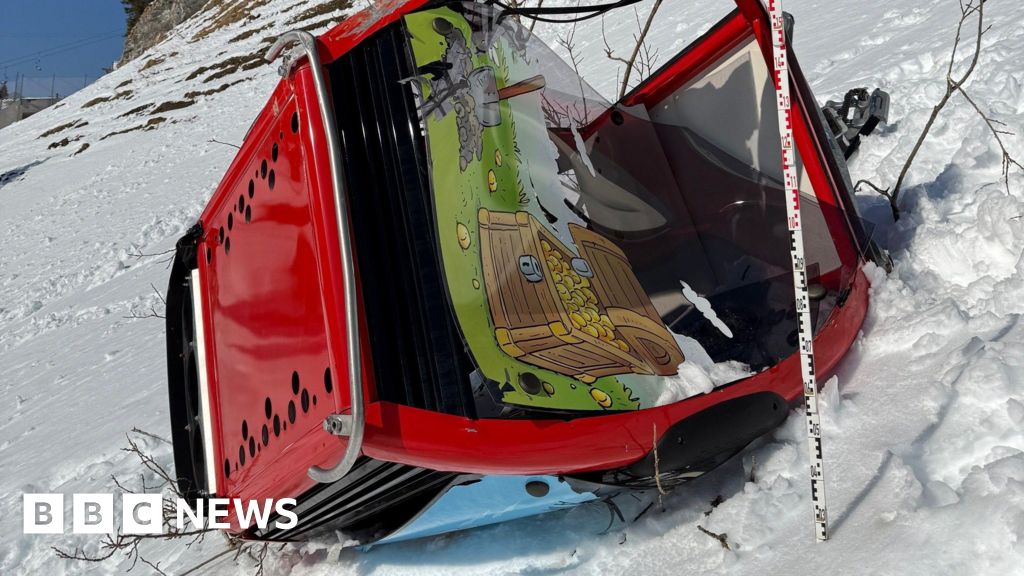
The incident unfolded on a seemingly ordinary day at the Hochoetz ski area. A ski gondola, carrying a Danish family of four, suddenly detached from its cable. The cab plunged dozens of meters down the mountainside, an unthinkable scenario for anyone enjoying what should have been a relaxing ascent. Emergency services were immediately dispatched to the scene, facing the harrowing task of rescuing the occupants. Despite their valiant efforts, the outcome was devastating: two of the four occupants tragically lost their lives, while the remaining two sustained severe injuries. The suddenness and severity of the **Ongeval Skilift** transformed a family's joyous holiday into an unimaginable nightmare.
Initial reports quickly pointed to a catastrophic external factor as the cause: a tree had fallen onto the lift cable, directly impacting the gondola's attachment mechanism and causing it to violently detach. This single, unforeseen event bypassed the sophisticated safety systems designed to protect passengers, leading to the rapid and fatal descent of the cabin. In the immediate aftermath, twelve other gondolas in the affected section of the ski area were swiftly evacuated. Fortunately, thanks to the prompt and professional response of rescue teams, no further injuries were reported during this large-scale evacuation, a testament to well-drilled emergency procedures even in the face of extreme pressure. The incident has cast a long shadow over the Hochoetz community and the broader winter sports industry, prompting an urgent quest for answers and renewed assurances regarding public safety.
Unpacking the Mechanics: How a Falling Tree Led to Disaster
The idea of a tree falling onto a ski lift cable might seem like an improbable occurrence, yet it highlights the delicate balance between man-made infrastructure and the forces of nature in alpine environments. Modern ski lifts, like those in Hochoetz, are engineered with multiple layers of safety features. This includes robust cables, redundant braking systems, continuous monitoring for cable tension and alignment, and automatic detection systems for anomalies. However, even the most advanced engineering can be overwhelmed by sudden, powerful external impacts.
When a tree, especially a large one, falls onto a taut steel cable, the forces involved can be immense. The sheer weight and momentum can cause the cable to flex violently, or, in the worst-case scenario, compromise its structural integrity. More critically, the impact can directly damage the gripping mechanism that attaches the gondola cabin to the cable. These grips are designed to withstand significant forces but might not be impervious to a direct, heavy strike from a falling object. In this particular **Ongeval Skilift**, the impact was severe enough to dislodge the gondola completely, sending it plummeting.
Authorities wasted no time launching a comprehensive investigation into the Hochoetz tragedy. Their focus will be multi-faceted, examining every conceivable aspect of the incident. This includes scrutinizing the structural integrity of the lift installation itself – assessing cable wear, grip condition, and support pylon stability. Furthermore, investigators will delve deeply into external factors, specifically the prevailing weather conditions leading up to the accident. Were there high winds, heavy snowfall, or other environmental stressors that could have weakened the tree or made its fall more likely? Maintenance records will be meticulously checked to ascertain if tree-clearing operations along the lift line were up-to-date and adequate. Understanding the precise chain of events is crucial not only for determining liability but, more importantly, for implementing preventive measures to avert similar disasters in the future. For more details on the ongoing inquiry, please refer to our related article:
Hochoetz Tragedy: Ski Lift Investigation Begins After Fatal Crash.
Ski Lift Safety Protocols and Preventative Measures
Despite the recent tragedy, it’s important to emphasize that ski lifts remain an incredibly safe mode of transport, statistically far safer than traveling by car. This high safety record is attributed to rigorous safety protocols, stringent regulatory oversight, and continuous technological advancements. Ski resorts and lift operators adhere to extensive guidelines encompassing daily checks, regular maintenance schedules, and comprehensive safety inspections.
Key preventative measures include:
- Daily Inspections: Before opening each morning, trained personnel conduct thorough visual and operational checks of all lift components, including cables, chairs/gondolas, grips, and emergency stop systems.
- Routine Maintenance: Lifts undergo regular, scheduled maintenance, often during off-peak seasons, where components are inspected, repaired, or replaced based on manufacturer recommendations and operational hours.
- Tree Management: Around lift lines, trees are routinely pruned or removed to maintain adequate clearance and minimize the risk of branches or entire trees falling onto cables, especially during storms or heavy snow loads.
- Weather Monitoring: Sophisticated weather stations and expert meteorologists continuously monitor conditions, allowing operators to make informed decisions about lift closures during high winds, heavy fog, or electrical storms.
- Staff Training: Lift operators and maintenance teams undergo extensive training in normal operations, emergency procedures, and rescue techniques.
- Technological Safeguards: Modern lifts incorporate numerous safety features, such as automatic grip checks, anti-derailment devices, and sophisticated sensors that detect anomalies and can automatically halt the system.
The Hochoetz incident, while tragic, will undoubtedly lead to an even more intense focus on these protocols, particularly concerning the interaction between lift infrastructure and the natural environment. Lessons learned from this specific **Ongeval Skilift** will inform future best practices across the industry. This is a critical step in restoring confidence and ensuring that the joy of skiing can continue safely. For further insights into safety measures in the Alps, see our article:
Austrian Alps: Two Dead as Gondola Detaches Due to Falling Tree.
Beyond the Headlines: The Psychological Impact and Broader Implications for Winter Sports
An accident of this magnitude extends far beyond the immediate site of the incident. The psychological toll on the survivors, the families of the deceased, and the first responders is immense. For the local community of Hochoetz, where tourism is a vital part of the economy and identity, the tragedy brings a sense of profound sadness and concern. There’s also the broader impact on the winter sports industry, which relies heavily on public perception of safety. Incidents like this, though extremely rare, can understandably cause anxiety among potential visitors.
However, the industry's response is typically swift and transparent. Resorts work hard to communicate safety measures and the findings of investigations to reassure the public. While the idea of a catastrophic failure might linger in the minds of some, the overall data on ski lift safety remains overwhelmingly positive. The experience of riding a ski lift, for most, is one of serene contemplation, enjoying panoramic views, or sharing lighthearted moments with friends and family – an essential part of the ski holiday experience that people expect to be utterly safe.
Ensuring Your Safety on the Slopes: Tips for Skiers and Snowboarders
While authorities and resort operators are ultimately responsible for ski lift safety, individuals can also play a role in ensuring a secure and enjoyable experience. Here are some practical tips for every skier and snowboarder:
- Heed All Warnings: Always pay attention to signs, closures, and instructions from resort staff. Conditions in the mountains can change rapidly.
- Understand Lift Procedures: Familiarize yourself with how to load and unload various types of lifts. If unsure, ask the lift operator for guidance.
- Report Concerns: If you notice anything unusual about a lift’s operation, maintenance, or surrounding environment (e.g., a precarious-looking tree near a cable), report it immediately to resort staff.
- Choose Reputable Resorts: Opt for established ski resorts known for their modern infrastructure and strong safety records.
- Stay Informed: Check weather forecasts and resort updates before heading out, especially regarding wind conditions or heavy snowfall that could impact lift operations.
- General Ski Safety: Always wear a helmet, ski within your ability, maintain awareness of your surroundings, and follow the FIS rules of conduct on the slopes.
In conclusion, the deadly **Ongeval Skilift** in Hochoetz, caused by a falling tree, is a profound tragedy that underscores the unpredictable power of nature even in highly controlled environments. It highlights the critical importance of continuous vigilance, advanced engineering, and robust safety protocols in the ski industry. While investigations continue to uncover the precise circumstances, the commitment to passenger safety remains paramount. Such incidents, thankfully rare, serve as powerful reminders that safety must always be the top priority, ensuring that future generations can continue to enjoy the majestic beauty and thrill of the Austrian Alps with peace of mind.